Work Image
The Art Gallery of Ontario is one of Canada's most prominent art gallery. The gallery showcases a variety of art from foreign artist as well as a huge collection of native Canadian art. While there is a membership program, the AGO fails to effectively communicate its benefits and values during the user experience. To address this, the research study was conducted in the form of multiple interview sessions as well as an ethnography study. The research was conducted in 2 phases. The interview was conducted first and then the ethnography was conducted.
This ethnographic study is a continuation of a research study done for the AGO. A set of interviews were conducted initially which helped as a foundation for the ethnography
Building on interview findings, it was decided that the researcher would attend the AGO and conduct ethnography. Ethnography was conducted to analyse behaviour, interactions and experience of a visitor.
An observation guide was created in order to provide some structure to the ethnography. This observation guide outlined specific watch fors during several stages of the visit. Observations were made to uncover pain points across; Ticket and membership purchase process (Both online and on site), On site gallery experience and finally the exit and post visit interactions.
1) Lack of staff interaction
The front desk rarely initiated conversation about the memberships and its benefits. Although it was a smooth experience where everything about a single ticket was explained there was no indications about membership tiers and its benefits. While there is a positive side of having less promotion and allowing the visitors to explore the museum without feeling pressured, there is a missed opportunity to engage with potential members. Without proactive communication about the features of the membership; there will be a lower conversion rate from one time visitors to long term members.
2) Missed opportunities for post visit engagements
There were limited reminders about the membership apart from small brochures at the ext. There were no encouragement for visitors to sign up for a membership. Without visible signage, staff interactions and digital reminders post visit, the museum misses a key opportunity to increase visitor engagement. These post visit interactions can be strategically sent to increase awareness about membership tiers and its features.
3) Confusing membership tiers
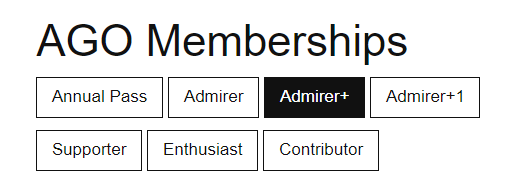
The online membership pages provided very confusing nomenclature for the membership tiers and did not provide any indicators to upgrade the tickets. There are tiers called admirer and admirer+, these tiers are difficult to differentiate and is often brought up to the staff at the AGO. The staff at the reception brought up that this was a common confusion amongst the visitors. There was also difficulties in comparing membership tiers and their features. This would make the decision making process difficult for the visitors; hence creating a possibility of dissatisfaction with their choice of membership.
4) Minimal membership promotion in the gallery
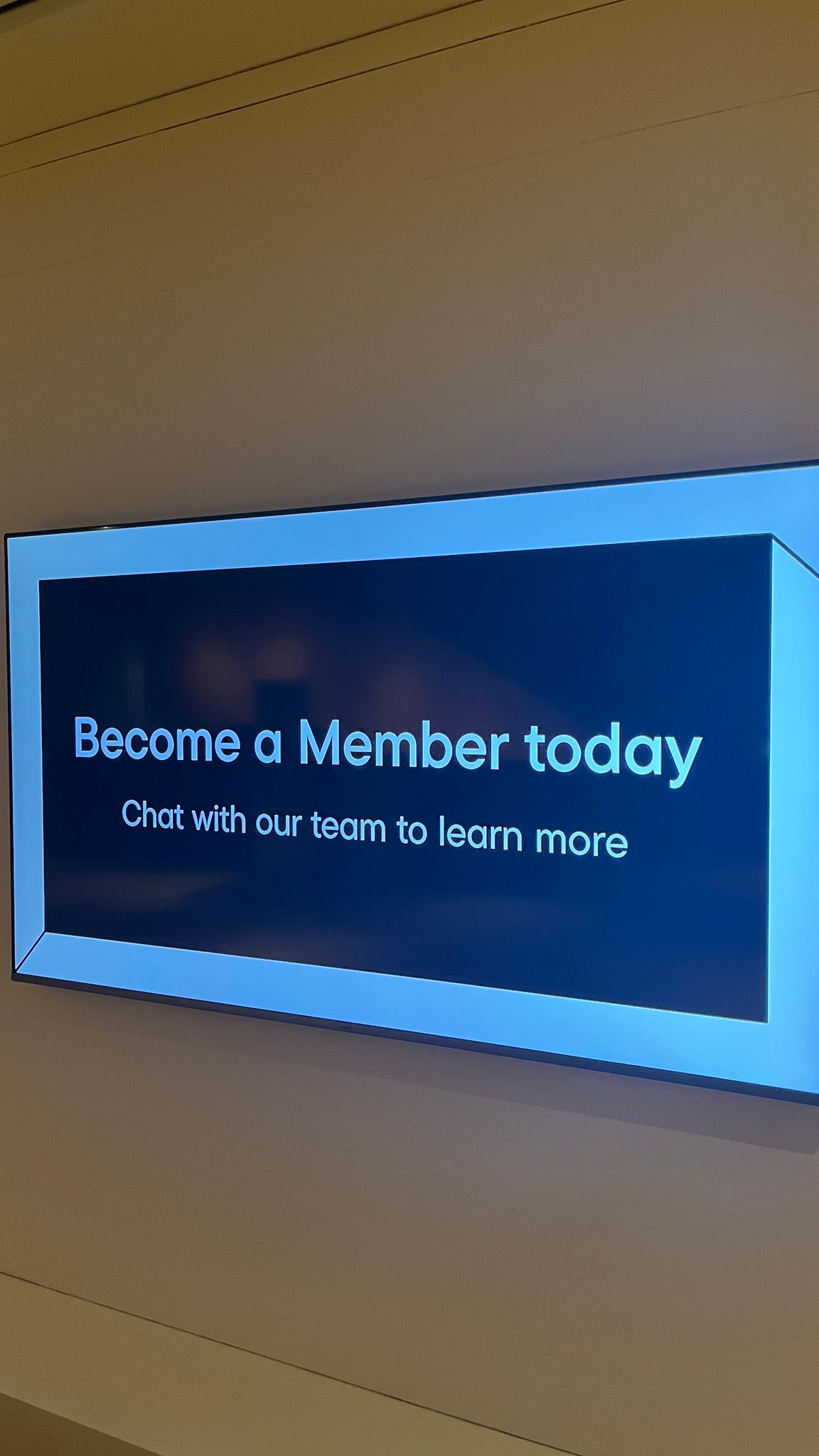
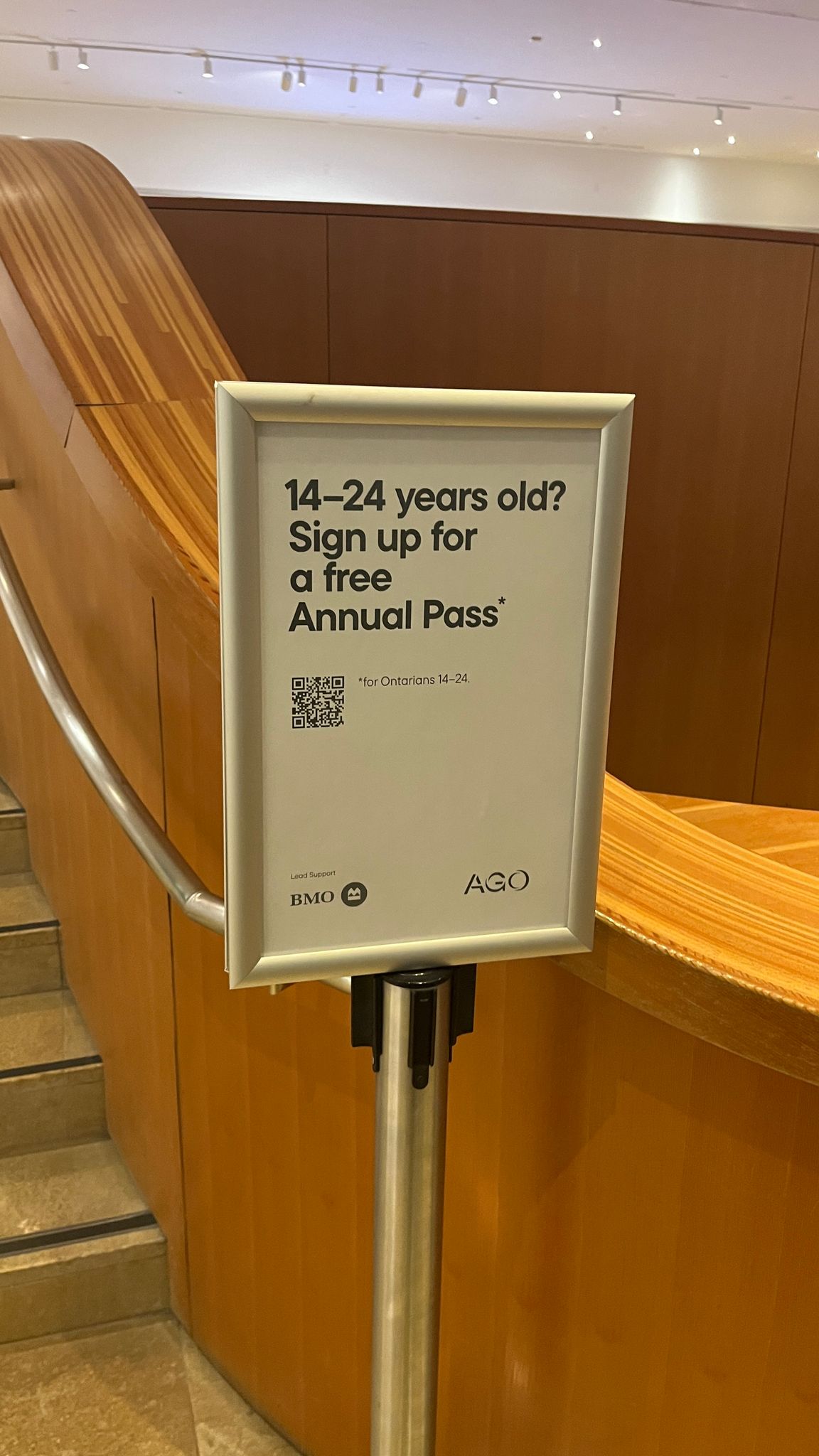
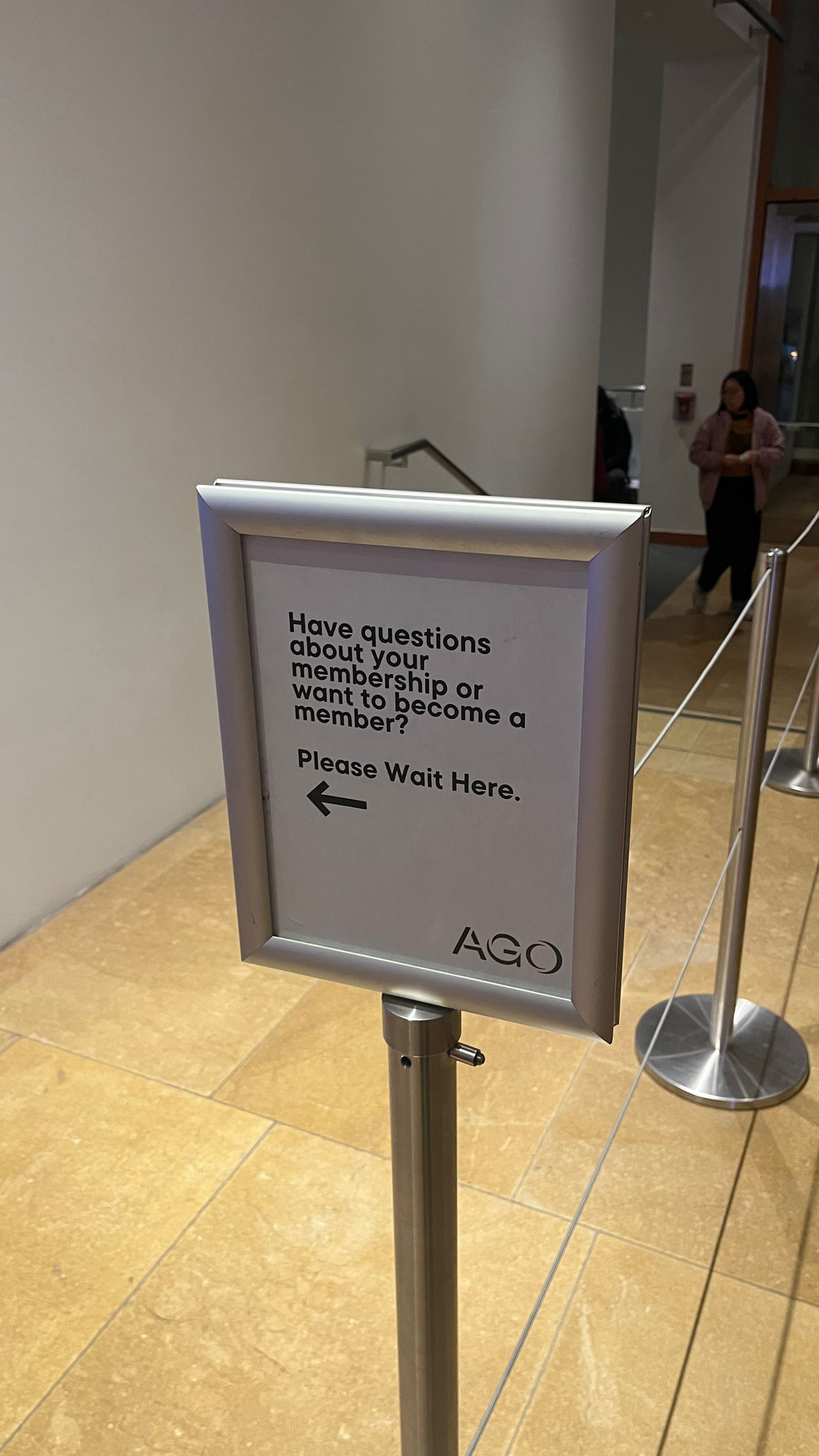
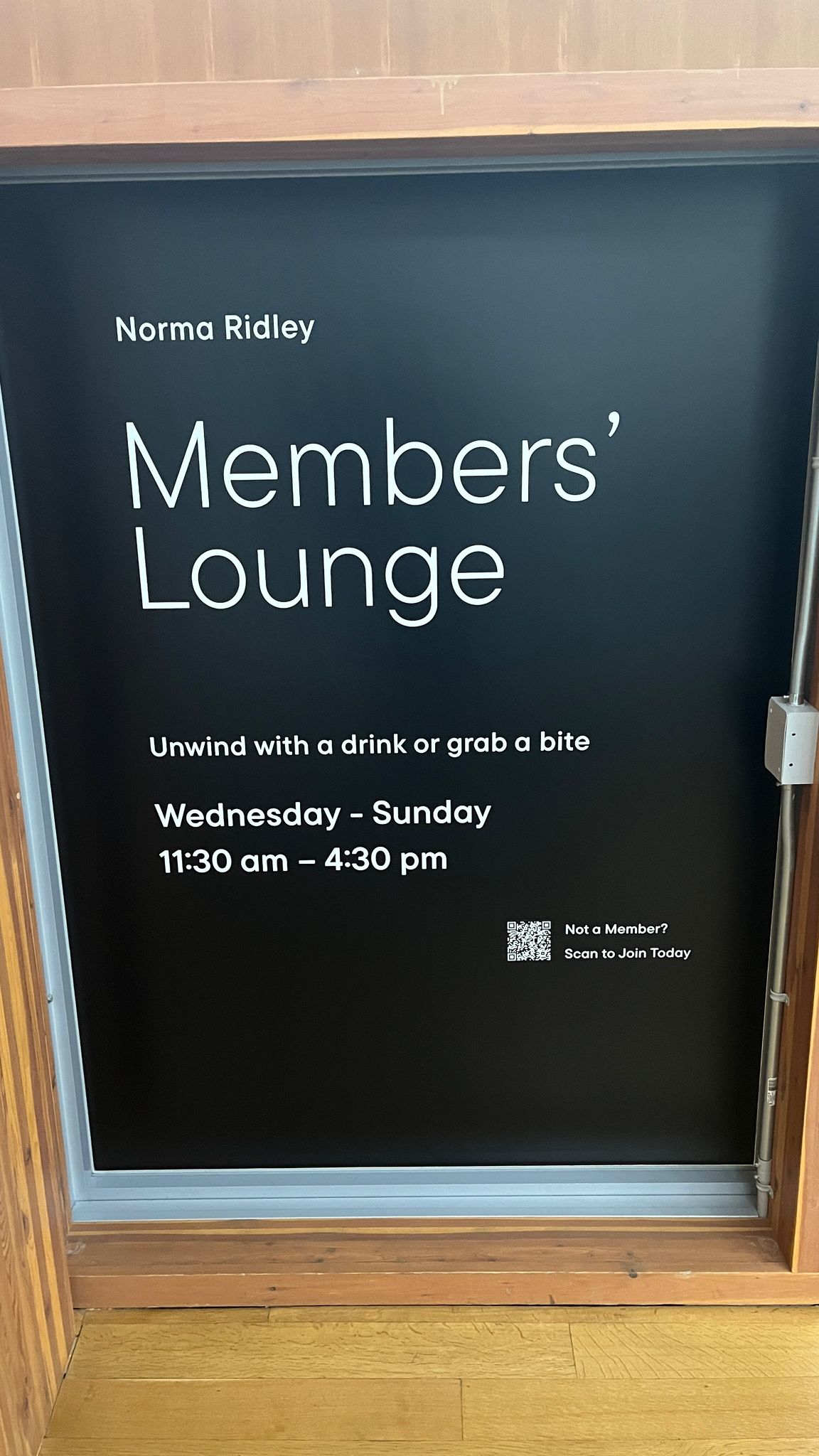
There was very limited signages in the AGO about the membership and its benefits. The AGO had several signages as direction to different exhibits. But there was minimal promotion about member exclusive exhibitions which is the best way to promote the memberships.


5) Confusing membership purchase process
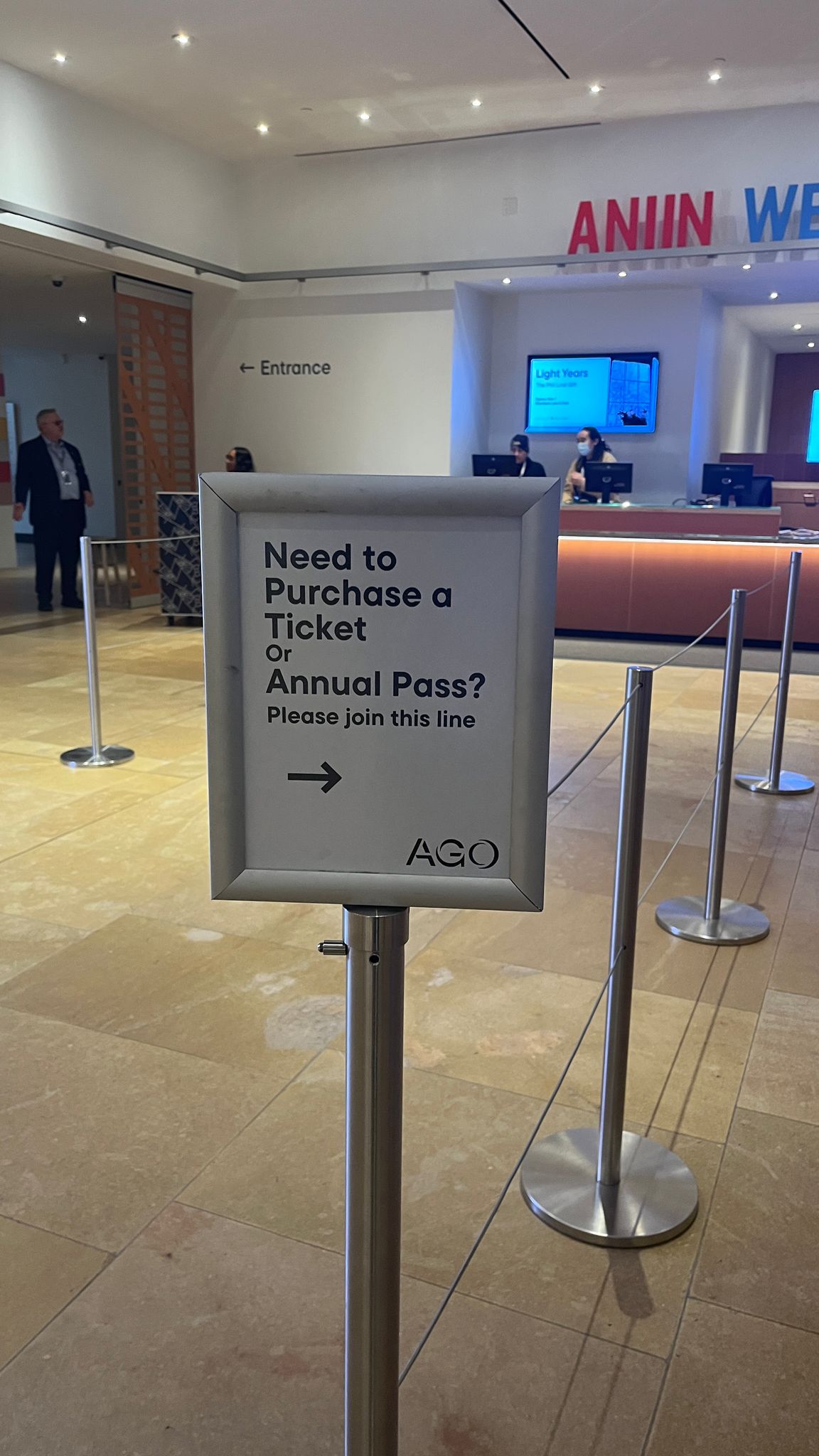
There was no clear explanation on-site on how to purchase a membership. The reception offered tickets for one time purchase but there were no indications for purchasing membership. Moreover, there were no opportunities to upgrade from single ticket to a membership.
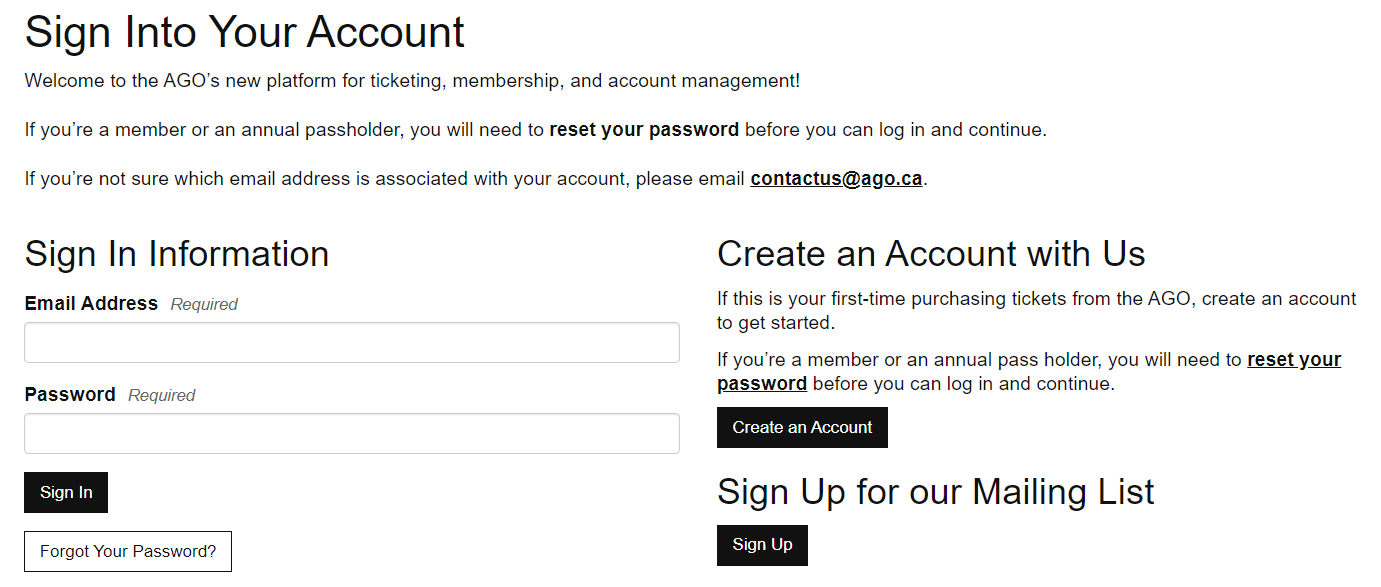
The online ticket purchase demanded a long sign up process before the ticket could be purchased. This might cause some retention issues within the users.
These were some of the key findings that was observed throughout the research. While there were multiple positive aspects; this research aims to focus on the pain points and challenges as these are the findings that can be improved upon the most. By addressing these findings the AGO can create a more seamless and effective experience for the user while purchasing a membership. This might also help provide the users more opportunities and chances to purchase or upgrade their membership.
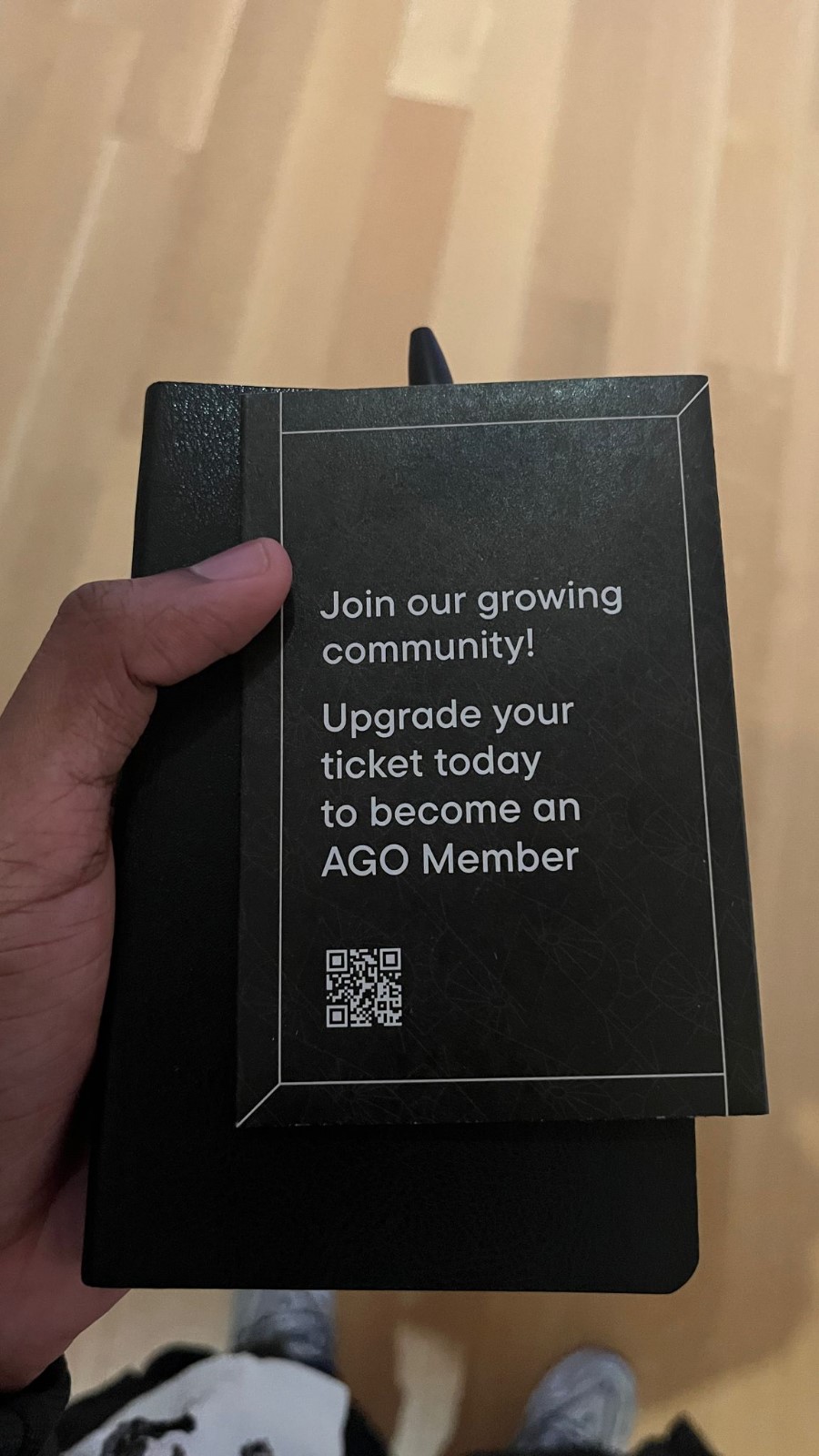
1) Create understandable labels for membership tiers and allow users to compare each membership so they can easily comprehend the features that each tier offer.
2) Better communication of membership benefits (Staff and Workshops) - Ensure that staff is promoting the the membership and its benefits throughout the AGO. Moreover, the membership exclusive workshops can be promoted on site.
3) Provide more reminders and promotions through mail and SMS along with other messages that urge users to interact with the AGO more.
This research helped uncover key barriers preventing visitors from interacting with the membership programs that are offered by the AGO. The interviews revealed the issues that the participants face with respect to unclear understanding of benefits, auto renewal frustrations and preferences to groups and status based memberships. The ethnography reinforced the hypotheses made after the interviews. It also revealed new pain points with respect to the minimal staff promotion, lack of membership promotions/ signages etc; This research helped identify these key issues an provide possible solutions for it.